
Katy Flood Cleanup
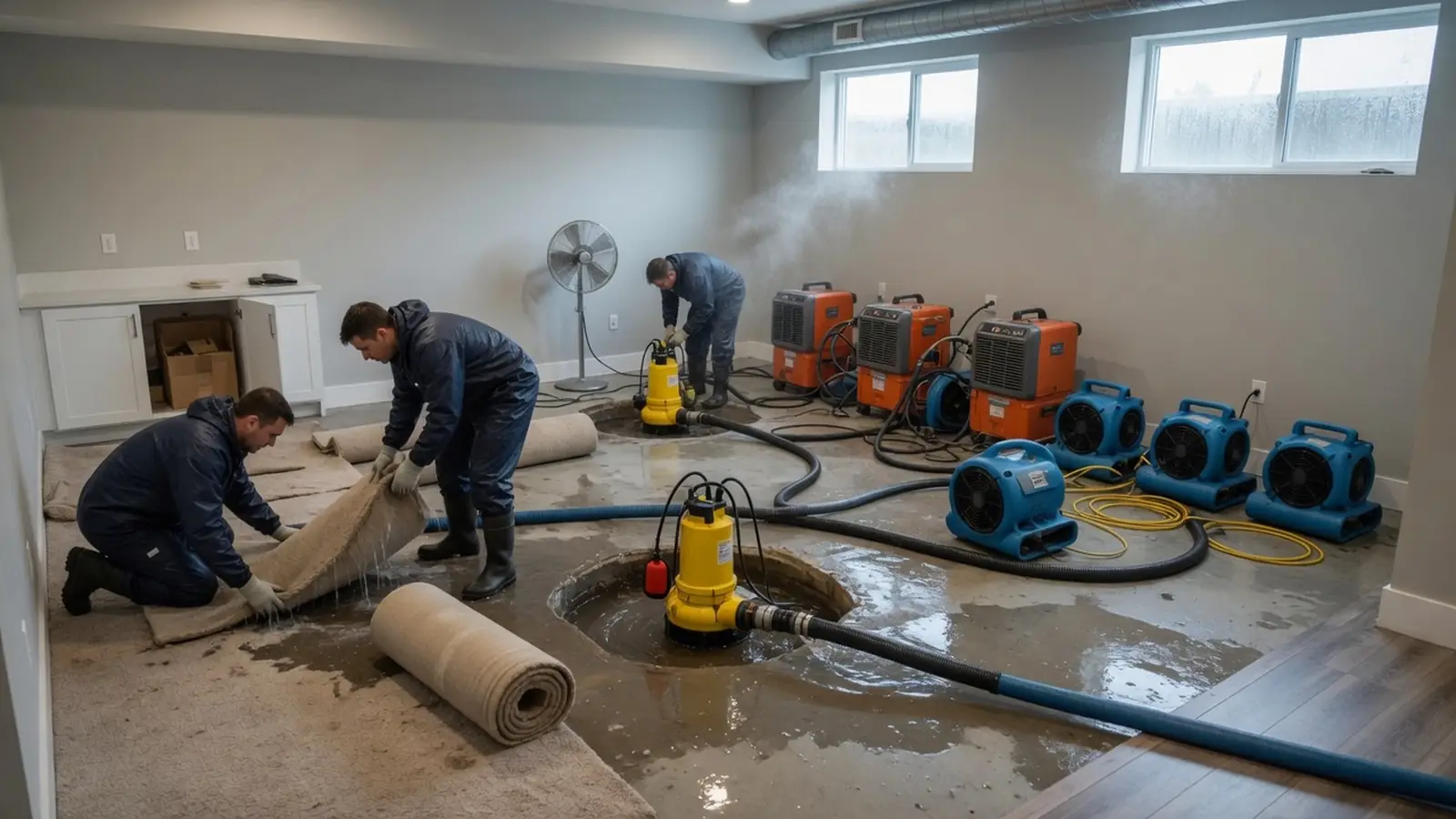
Rising overland runoff can penetrate residential foundations and subflooring within minutes of a severe Gulf storm. Our certified remediation specialists extract standing water, remove damaged drywall, and restore safe indoor air quality.
Call (281) 555-0126 if water is still coming in.
Comprehensive Structural Remediation
Standing floodwaters place immense hydrostatic pressure on residential foundations across the coastal prairie.
A pattern echoed in public discussions is that homeowners who manually mop up standing floodwater frequently experience delayed mold outbreaks along baseboards and behind drywall due to trapped moisture.
As homeowners often describe in recovery forums, severe indoor overland flooding requires fast drywall gutting, deep subfloor sanitization, and continuous commercial dehumidification to save the structure.
We provide comprehensive emergency water damage restoration for residential properties caught in severe flash flood events.
Our technicians use calibrated moisture meters to track hidden migration pathways behind baseboards before antimicrobial treatments begin.
Our Step-by-Step Recovery Process
Addicks and Barker stormwater releases can trap water against Katy homes for days, requiring prolonged structural drying rather than simple extraction while recovering from severe storm damage.
- Immediate Water Extraction. During rising runoff events, homeowners are uncertain whether to start cutting saturated drywall while floodwaters are still receding or wait until water drains completely, which is why our crews deploy submersible pumps immediately to clear standing water.
- Drywall Flood Cuts And Stud Drying. Homeowners dealing with overland flooding need guidance on the proper flood cut height for drywall and how to thoroughly dry saturated structural framing studs.
- Antimicrobial Treatment And Sanitization. Technicians apply hospital-grade botanical antimicrobials across exposed concrete and floor framing to eliminate harmful organic residues.
- Industrial Dehumidification. High-capacity LGR dehumidifiers and axial air movers run continuously to pull trapped moisture from structural timber.
Certified Standards And Structural Protection
In regional trade discussions, drying strategies differ drastically depending on whether moisture originates from foundation slab movement or external reservoir floodwaters. Our mitigation follows strict IICRC standards for Category 3 water intrusion to eliminate biological hazards. We work directly with your insurance adjuster and provide thorough moisture mapping, ensuring you do not need secondary professional mold remediation after flood events.
In-Wall Moisture Detection
Improperly sealed in-wall plumbing fittings can withstand line pressure for up to a year before failing suddenly, causing extensive hidden moisture damage. Our technicians use thermal imaging and non-invasive moisture meters to pinpoint active dampness behind wall cavities.
Subfloor Extraction And Sanitization
Contaminated runoff saturates porous subfloors and framing under floorboards. We extract trapped liquids, remove compromised underlayment, and sanitize base materials with EPA-registered disinfectants.
Aging Pipe Failure Restoration
Older galvanized plumbing lines near Katy rail corridors exceed intended lifespans and commonly suffer catastrophic, sudden blowouts. When supply lines burst, our emergency crew isolates the supply, removes floodwater, and dries structural framing.
Our Approach To Structural Restoration
We focus on rigorous psychrometric drying and meticulous moisture monitoring on every residential project. Our crews bring industrial drying technology and disciplined containment protocols to protect your home from long-term structural decay.
- 12Zip Codes Served
- 6Service Areas
- 3Services Offered
Read verified feedback from local homeowners who experienced our flood cleanup and structural drying services after severe water intrusion.
“Heavy neighborhood street flooding delayed travel across the subdivision, but the crew communicated their detour route every step of the way. Once their truck arrived, they immediately set up extraction hoses and worked through the evening to get the water out of our living room. Their prompt recovery kept our framing from soaking up extra moisture.”
Marcus T.
“Our rescue dog was terrified by the storm and the noise, so the technicians thoughtfully isolated their drying equipment to the back bedrooms first. They made sure our entry hallways stayed clear of loose cords and hoses so my elderly mother could walk safely with her walker. That genuine level of consideration meant the world to our family during a stressful cleanup.”
Elena R.
“Another outfit offered a cheap quote to simply pull our carpets and leave a few box fans blowing on the wet drywall. The crew explained why leaving wet insulation inside the wall cavities would inevitably rot the framing and cause hidden microbial growth. Choosing their thorough remediation plan saved us thousands of dollars in future structural repairs.”
Greg P.
“When our adjuster questioned the required flood cut height along the exterior walls, the team provided detailed moisture log documentation that justified every linear foot of removed drywall. Their comprehensive moisture readings satisfied the municipal inspector immediately during the rough rebuild check. Having everything logged properly prevented any delays with our flood insurance reimbursement.”
Sarah W.
Frequently Asked Questions
Can drywall and insulation submerged by rising floodwaters be dried in place, or does building code require complete removal?
Building codes require removing drywall and insulation touched by rising floodwater because Category 3 runoff cannot be dried in place safely. Porous materials absorb chemical runoff and microbial contaminants that remain trapped even if surfaces feel dry. Technicians execute flood cuts at least twelve to twenty-four inches above the high-water line to ensure complete cavity sanitation.
How quickly should professional water extraction begin after an indoor flood?
Professional water extraction should start within twenty-four to forty-eight hours to stop microbial growth and preserve structural wall framing. Delaying water extraction allows moisture to wick up drywall studs and soak beneath subflooring, significantly increasing reconstruction costs and health hazards.
What is the standard procedure for drying saturated concrete slab foundations?
Drying a saturated slab foundation requires heavy water extraction, commercial dehumidification, and targeted air movement across the concrete. Because concrete is porous, it holds moisture for extended periods after standing liquid is gone. Technicians utilize low-grain refrigerant dehumidifiers and moisture probes to verify deep structural dryness before new flooring goes down.
How is the proper drywall flood cut height determined after a storm surge?
Proper flood cut height is determined by measuring the highest water mark and cutting drywall at least twelve to twenty-four inches above it. Wicking draws moisture upward through gypsum core and backing paper beyond the visible water line. Cutting well above moisture boundaries ensures all saturated insulation is cleared and wooden studs dry completely.
Does homeowner insurance typically cover emergency flood mitigation services?
Standard homeowner insurance covers sudden pipe breaks, while external runoff requires separate coverage through national flood insurance programs. Regardless of the water source, emergency mitigation to extract moisture and prevent further structural degradation is typically required under policyholder duties.